Disability is not a Halloween costume - by Susan Seipel
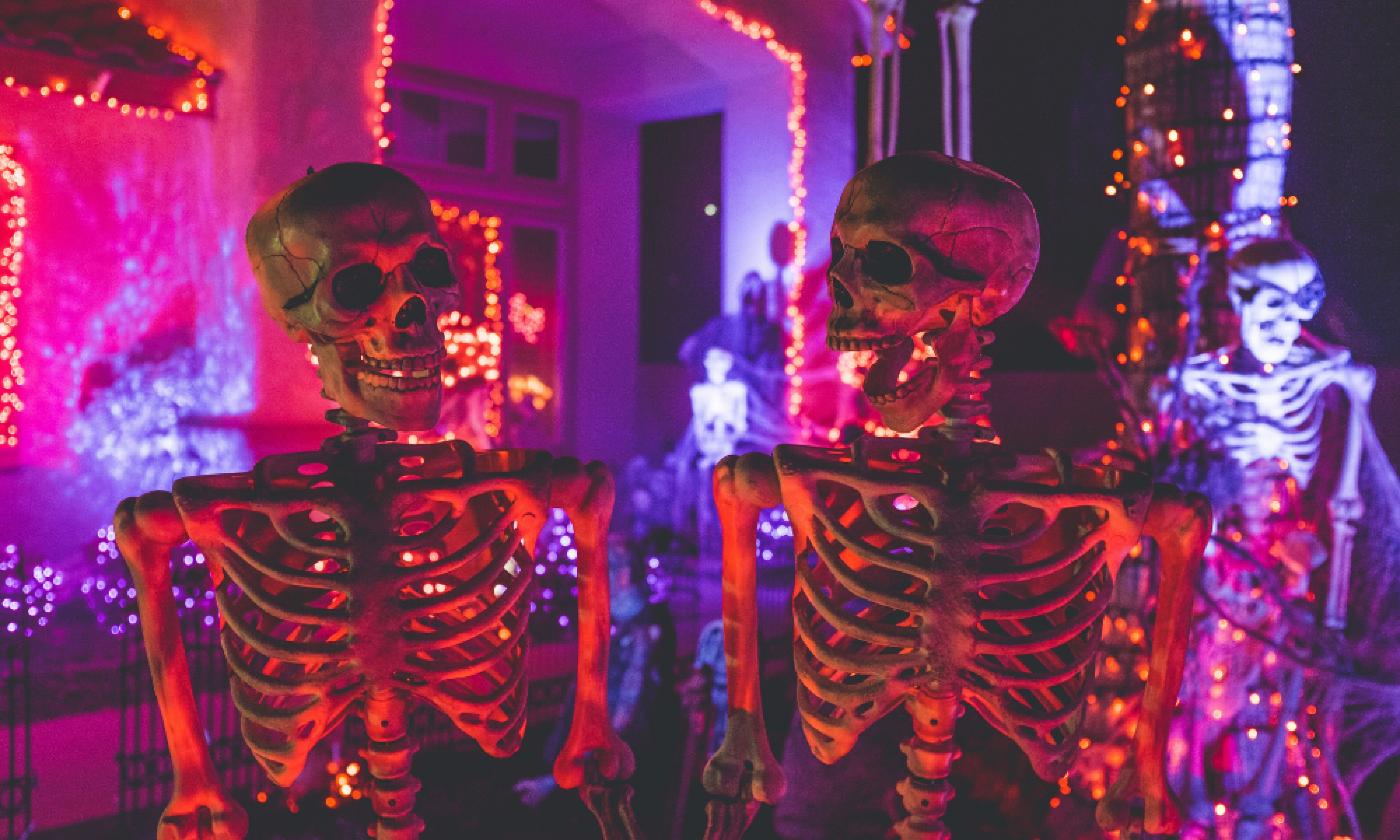
Every year Halloween is celebrated on the 31st of October. Halloween originated from Celtic beliefs around the human and spirit worlds crossing over at the end of the harvest season. The festival inspired the tradition of dressing up in scary costumes to ward off roaming spirits. While not as popular in the southern hemisphere trick-or-treating, Halloween theme parties, and scary house decorations are becoming more common in Australia and New Zealand.
Halloween poses both opportunities and challenges for people with disabilities.
Creating a costume and dressing up can be a fun activity that everyone can enjoy. It can be an act of self-expression and escapism where there are no limits to designs. I have seen some amazing creations made by people with disabilities that feature their disability as part of their costume that are imaginative and entirely unique.
However, there are many valid concerns about harmful representations of disability during Halloween. Many iconic villains have disabilities including facial or limb differences which can reinforce negative stereotypes that disabilities are scary or evil. For example, in The Phantom of the Opera a character had a facial disfigurement portrayed as terrifying to others and used to explain his isolation from society. The association of visibly different people with villainy and horror narratives can negatively influence how people with disabilities in the real-world are perceived.
Another problematic issue regarding Halloween is the misuse of disability aids as costume props, by people who do not have a disability. It is inappropriate because it reinforces stigma and harmful stereotypes which can impact real people with disabilities in their daily lives. I saw an example of this shared on social media by a wheelchair user who dressed up as Superman/Clark Kent for Halloween. They explained that someone wrongly assumed they were pretending to be in a wheelchair dressed up as Superman actor Christopher Reeve (a wheelchair user and disability rights advocate). While this is an extreme example of misunderstanding it demonstrates how misuse of disability aids as a costume can impact and fuel stigma of people with disabilities.
Do you celebrate Halloween, please leave your comment below?
About the Author:
Susan Seipel is a diverse para-athlete with a background in swimming, and equestrian, and is a triple World Champion in the sport of Paracanoe.
She won a bronze medal at the 2016 Rio Paralympic Games and was the first Australian in history to win a medal in Paracanoe at the Paralympic level. At the 2020 Tokyo Paralympic Games, Susan won a silver medal in the inaugural women’s canoe event. She is currently training for Paris 2024.
Outside of sports, Susan is a proud ambassador for RSPCA Queensland and is passionate about animal welfare. She is also studying Psychology at university.
Add comment