
Living With Heart Failure and a Spinal Cord Injury - My Journey - By Daniel Kenna
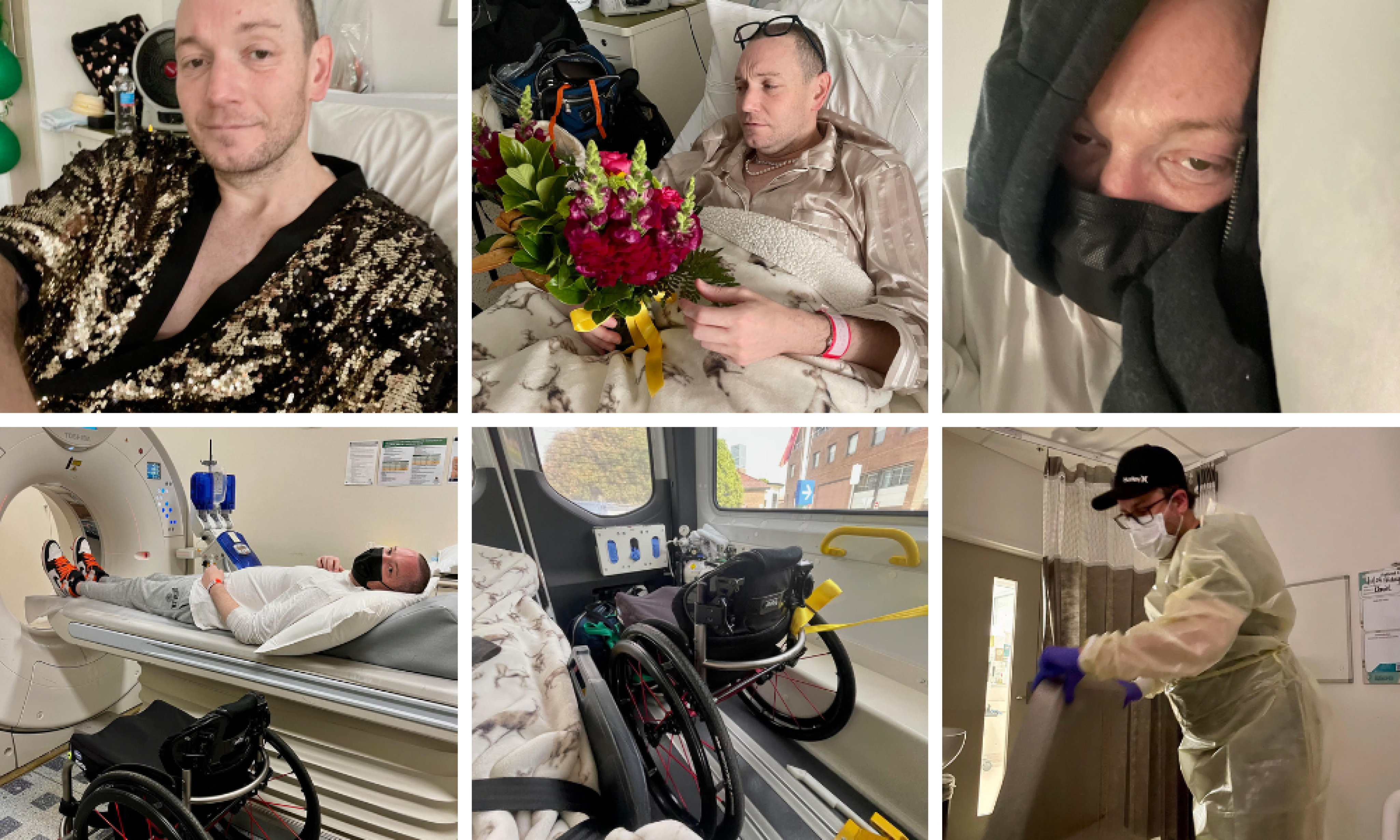
Living with a spinal cord injury (SCI) is already a full-time job in itself. Add heart failure to the mix, and suddenly your world feels like it’s been flipped twice over. I never imagined I’d be writing about these two parts of my life in the same sentence, but here I am - still here, still moving forward, and hopefully offering something useful to anyone else navigating complex health challenges.
This is my story of living with both an SCI and heart failure, what I’ve learned, and how I’ve adapted along the way.
The Double Shock: Injury and Diagnosis
Back in 2014, I sustained a spinal cord injury. Overnight, I went from walking to using a wheelchair full-time. The adjustment was enormous - physically, emotionally, and socially. Like many in my position, I focused on rehab, independence, and rebuilding life around wheels instead of legs.
Just when I thought I’d found some rhythm, another blow arrived: heart failure. For a long time, I thought fatigue, swelling, and shortness of breath were just part of SCI life — complications from medications, or maybe the result of chronic pain. It wasn’t until things escalated and I ended up in hospital that the words “heart failure” entered my story.
Hearing that diagnosis was terrifying. With an SCI, your body already has limits. Add heart failure, and those limits tighten even further. Suddenly, energy becomes precious currency, and everything you do - from transferring into bed to navigating a ramp — requires budgeting that energy carefully.
Daily Life: Balancing Two Conditions
Managing one major health condition is hard enough. Managing two requires constant vigilance and a willingness to adapt every single day. Here’s what that looks like for me:
- Energy management: Heart failure brings fatigue like I’ve never known. I had to learn the difference between “I’m tired” and “my body is waving a red flag.” SCI already changes how I sense fatigue, so this was a steep learning curve.
- Fluid retention: Swelling in my legs can be hard to spot because of paralysis. Sometimes the only clue is that my skin feels tighter or my transfers are harder. I’ve learned to trust small signs and keep an eye on weight fluctuations.
- Mobility aids: My wheelchair is my independence, but heart failure means I have to think about how much strain I put on myself. Pushing long distances can be exhausting, so sometimes I have to accept help or use power-assist options.
- Medications: Balancing SCI medications with heart failure drugs is its own challenge. Diuretics, for example, mean more bathroom trips — and anyone with an SCI knows bladder management isn’t always simple.
The Mental Side: Grief, Fear, and Resilience
I’ll be honest: mentally, this has been brutal. When you have an SCI, people sometimes treat you like you’ve already “hit your quota” of bad luck. Add heart failure, and I felt like a medical curiosity instead of a person.
I went through waves of grief - grief for my independence, for the body I once knew, and for the plans I’d made. Fear crept in too: fear of hospitalisation, of losing independence, of not having enough time.
But somewhere in that mix, resilience took root. I realised I couldn’t control either diagnosis, but I could control how I responded. For me, resilience looks like:
- Choosing to focus on what I can still do, not just what I’ve lost.
- Finding joy in small victories.
- Allowing myself to rest without guilt, because rest is part of survival.
Support Systems Matter
No one lives with these conditions in isolation. My support network has been a lifeline - family, friends, healthcare providers, and communities like Invacare.
- Healthcare teams: Cardiology and rehab don’t always overlap, but I’ve learned to be the bridge. I bring my rehab knowledge into heart appointments and vice versa. Sometimes I feel like my own case manager, but it’s made me a stronger advocate.
- Peer support: Talking with others who have SCIs or heart conditions has helped me feel less alone. Our challenges may look different, but the emotional terrain is similar.
- Technology and equipment: From a reliable wheelchair to adaptive devices around the house, equipment is not just convenience - it’s survival. Invacare and companies like it keep people like me moving, even when our bodies push back.
Redefining Independence
Independence looks different now. It’s not about doing everything myself - it’s about doing what I can safely and accepting support for the rest. That’s a hard mindset shift, especially if you’re naturally stubborn like I am.
Some days, independence is transferring into my car by myself. Other days, it’s choosing to rest instead of pushing past fatigue. Both are valid. Both are strength.
Lessons Learned Along the Way
Looking back, here are some lessons my journey has taught me:
- Ignoring warning signs only makes things worse. With SCI, signals can be muted or masked, so paying attention to small changes is key.
- Advocate for yourself. Doctors may not fully understand what it’s like to manage both SCI and heart failure. Don’t be afraid to speak up, ask questions, and push for answers.
- Find joy where you can - whether it’s music, pets, or hobbies. Joy keeps you alive in more ways than one.
- Redefine strength. Strength isn’t lifting heavy weights or powering through. It’s surviving another day, making tough choices, and showing up even when your body feels like it’s failing you.
Looking Ahead
I don’t know what the future holds - and that’s okay. Living with heart failure and an SCI means uncertainty is always part of the package. But I’ve also learned that uncertainty doesn’t erase possibility.
I don’t have all the answers. I still struggle. But I’ve also found strength I didn’t know I had, and that’s something heart failure can never take away.
About me:
I'm living in Sydney and suffered a spinal cord injury in 2014. I'm a proud member of the LGBT and disabled community. I like documenting my journey and adventures on social media, trying to keep as much information updated as possible on Google Maps/reviews from a wheelchair user to help others navigate more safely. When I'm not in the theatre or cinema, the outdoor escape I love to do is trail riding with my wheelchair e-bike. My wheelchair setup is TiLite ZRA, Matrx MX2, and Matrx Libra cushion.
Instagram @Kennasyd
Add comment