Fighting for disability and ME/CFS awareness – by Zoe Simmons
I’m a journalist. My entire life, I’ve told stories that raise awareness, smash stigma, and create change. I truly believe our stories can change the world: or at least, someone’s world.
But lately, I’ve been feeling . . . dissolution.
Because, despite the fact that disabled people represent 20% of Australia’s population, we’re very rarely heard from. We’re very rarely accurately represented, with intersectional diversity, whether that’s in the media, in leadership spaces, or in politics. And the people who are generally heard from tend to be the most privileged amongst us.
That’s not to say those stories don’t matter: of course they do! And people with privilege should be using it for good—it’s what I try to do with my privileges. But it means that, unfortunately, a lot of people’s stories and perspectives aren’t heard, and these are the stories we need to hear most.
Over the past few months, I’ve been working on projects with other advocates for ME Awareness Month. ME stands for myalgic encephalomyelitis, and it’s a multi-system, utterly debilitating condition that impacts every part of your body. It can cause severe fatigue, brain inflammation, pain, sleep disturbances, sickness, and a symptom called post-exertional malaise (PEM). PEM basically means you have a delayed onset of symptoms that’s worse than it should be, and it impacts how you recover from exertion. In reality, it means if you do too much mental or physical exertion, your body will respond tenfold.
While I (like many) don’t have a diagnosis, thanks to consultations with Emerge, I’m pretty sure I have mild ME (amongst other things). It means I can’t leave my house, walk, work, cook or clean for the most part, and any time I exert, my body punishes me. Going out for an afternoon, even if I’m just wheeling around in my electric wheelchair, might mean I’m bedridden and unable to do anything for days. And that’s just mild.
People with severe ME experience a whole other world. Mostly bed-bound and house-bound, with high care needs and extreme limitations on what they can do. I have friends with severe ME. It’s scary to know their body could literally become too tired to swallow and eat.
But what’s worse is the public perception of ME. Many doctors and specialists don’t believe it exists. Many prescribe harmful therapies, like graded exercise therapy, which makes us sicker. I’ve heard stories of people so sick in hospital, unable to eat for days, while doctors called them attention-seekers and made them feel worse than the scum between their toes.
I can sometimes get these stories out when the media deems them extreme enough to garner clicks. But I spent weeks pitching to so many news outlets, trying to get a story about ME across the line, especially because so many people shared their story with me, in hopes I could share it for our collective advocacy.
In the end, it wasn’t up to me.
It was up to what is deemed “popular”.
And, budgets.
What this says to me is that we need more prioritisation of not only freelancers in the news sector, but a prioritisation of disabled freelancers, those of us who can tell these diverse stories on behalf of our communities. And it shows how important disability-led media is: as well as a commitment from other organisations to promote our voices when it’s needed, not just when it’s convenient.
I feel exceptionally gutted I wasn’t able to get a story across the line. I feel like a failure. But I’ll keep fighting. I always do. Just sometimes, I wish it wasn’t so much of a fight to be heard.
About the Author:
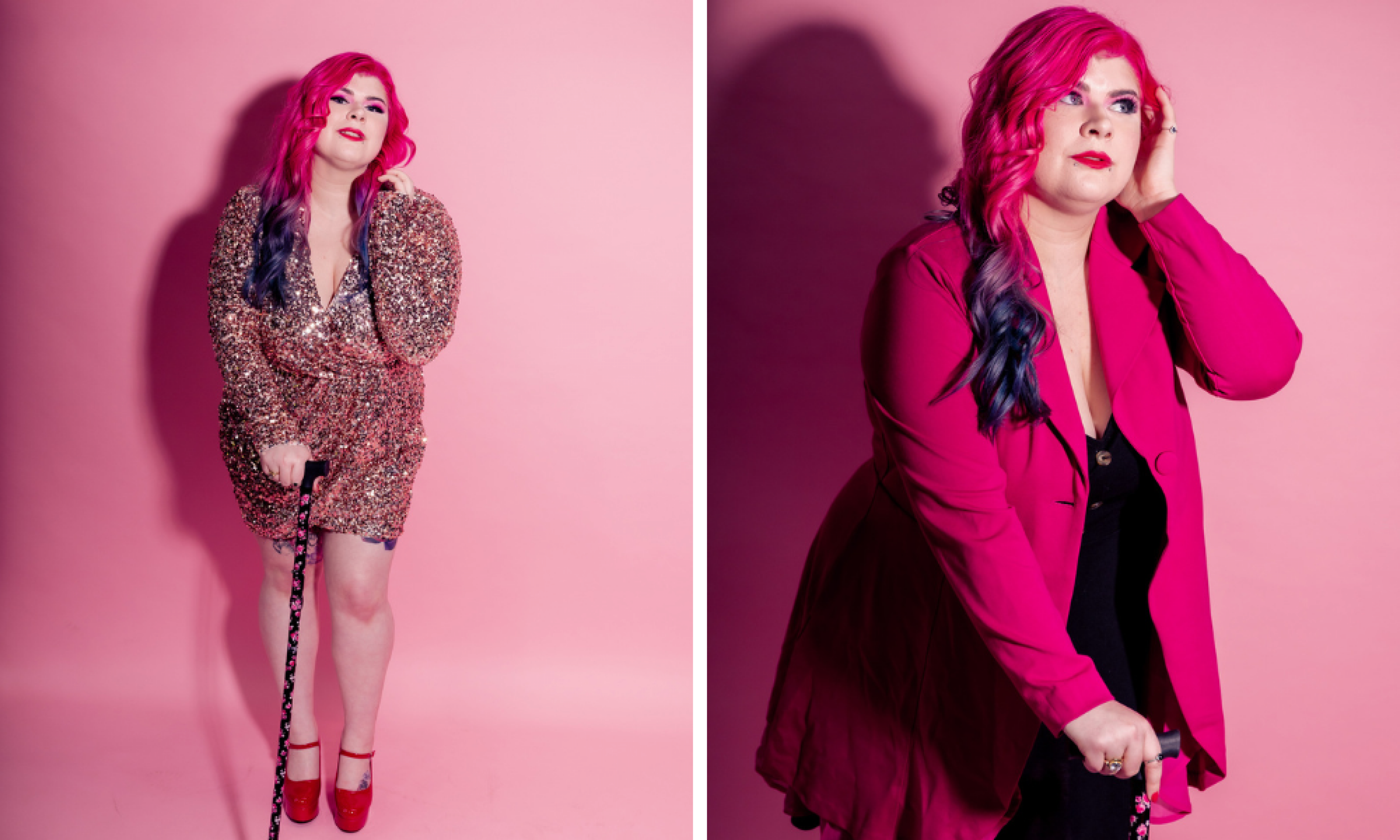
Zoe Simmons is an award-winning disabled journalist, copywriter, speaker, author and advocate, living with multiple mental and physical disabilities. She writes to make the world a better place. You can find out more about Zoe on her website, or follow her on Facebook, Instagram, Twitter, LinkedIn or Tik Tok.
Add comment