
My Journey to Independence – by Marlena Katene
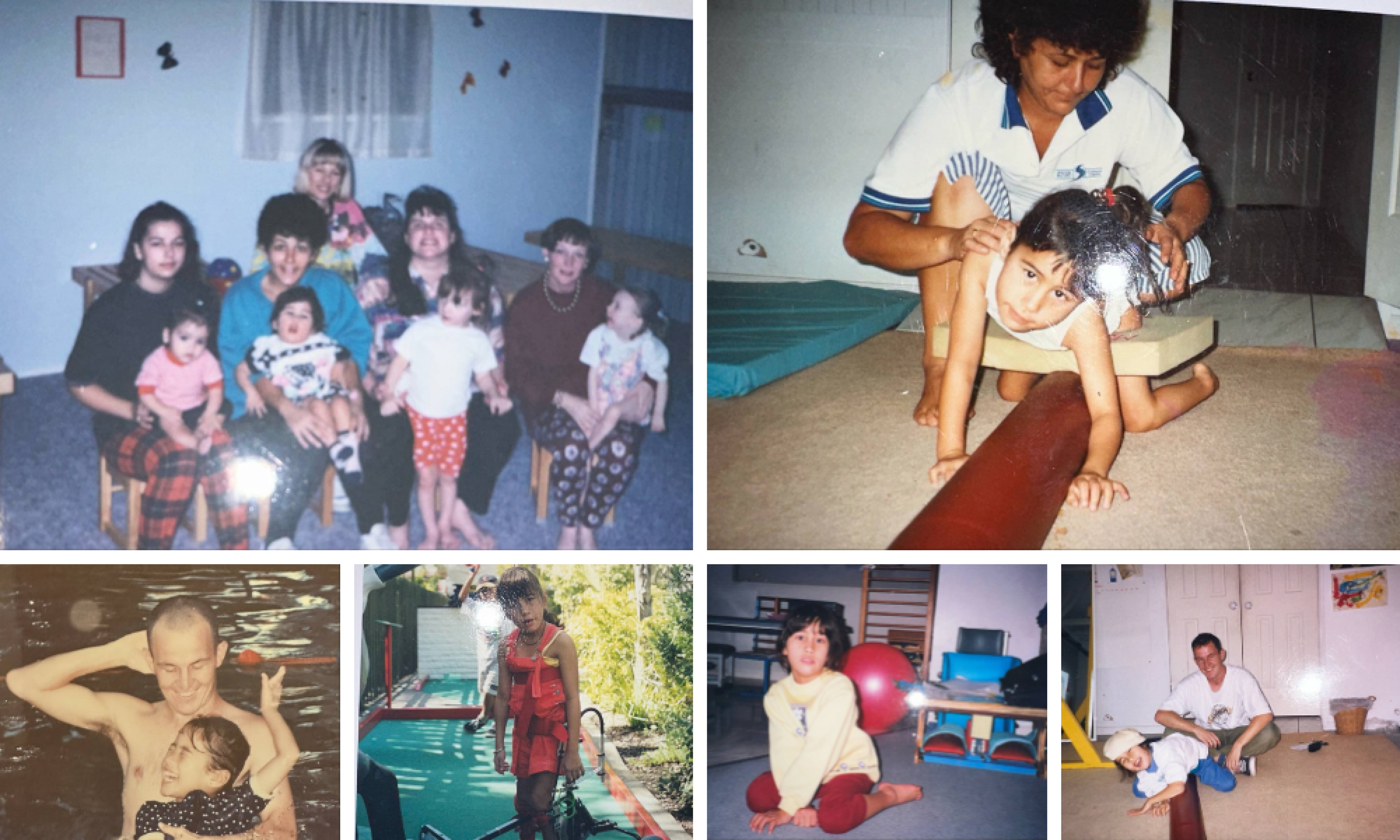
Have you ever wondered how I can sit in my wheelchair for up to ten hours a day? It wasn’t something that happened overnight. My journey toward independence and control over my own body began when I was just six months old.
Doctors told my mother that I needed intense physical therapy and recommended Conductive Education—a program that teaches movement, problem-solving, and independence for people with motor disorders. My mum, pregnant with my brother at the time, drove me up north for intensive classes. From six months to three years old, I endured long, challenging days of exercises designed to connect me with my body. I used to scream in the car, dreading what I called “boot camp,” unaware that these grueling sessions were laying the foundation for a life of independence.
Eventually, we settled in Caboolture so I could attend classes during the week. Later, my mother found Xavier, a small school in Brisbane specializing in Conductive Education and early intervention. At Xavier, we endured uncomfortable wooden tables, intense stretches, ladder exercises, and even swimming in a heated, smelly pool. I hated every minute of it. But my teacher, Miss Lee, and the friends I made, made it bearable. I fell asleep at lunch, bribed myself with Smarties for peeing on cue, and slowly began to understand that all this effort was shaping my future.
After two years at Xavier, we moved on to the Ian Hunter program, a Neuro-Developmental Therapy approach designed for brain injuries. Ian created a rigorous exercise regimen for me: assisted walking under a ladder, hanging upside down while stretching, slow, precise cross-patterning exercises for arms and legs, and guided head movements. Ian recommended doing these exercises six days a week.
To support me, my mother recruited volunteers from the local community. Posters of my face and story appeared in churches, libraries, and shops. Soon, a diverse team arrived: Charles, the storytelling traveler; Fran, who shared tales of wartime England; John, the practical Salvation Army worker; and Bert, a shy 19-year-old who would become a lifelong friend.
Our schedule was strict: four hours on weekdays, six on Saturdays. Some days were fun—I laughed at Charles’s stories—but others were filled with tears. My mother’s tough love sometimes stung, but I understood it was shaping my independence. By the time I started school, I could sit in my wheelchair for an entire school day—a goal that had seemed impossible when I was screaming my way through those first exercises.
At school, an ex-Xavier teacher created a gross motor skills program based on Conductive Education. I thrived this time, no screaming required. I even returned to Xavier for a five-day holiday program in Year 3 with Bert tagging along—much to the amusement (and mild disapproval) of my teacher Dora. Bert’s humor made even the toughest exercises bearable, proving that a good laugh is just as important as a good stretch.
I also took up horse riding, swimming, and a private therapy program with a local physiotherapist, Magic, whose enthusiasm made grueling exercises feel like play. By Year 2, with my David Heart walker, I could move independently, navigating life with confidence. From ice skating to holding hands with friends, I began to experience the fullness of childhood.
At age 11, hip pain forced surgery, followed by three months in a body cast. The pain was excruciating, and for a while, I lay on my back, quietly watching music videos and Jerry Springer. But I recovered, swimming and wearing leg wraps at night to straighten my legs—often tearing them off in defiance.
High school brought a natural slowdown in therapy, though Friday swims with Helen Stubbs kept me active. I thrived academically and socially, gradually shifting focus from physical training to building a future. Post-school, I dove into university, travel, and starting a business with Bert. Physical therapy took a backseat, though I later returned to fitness with personal trainers who supported and challenged me, reminding me that growth is lifelong.
Now, at 35, I reflect on those early years with gratitude. My mother’s vision, discipline, and unwavering belief in an inclusive life gave me the foundation to navigate my body and mind with independence. The exercises, the sweat, the pain, the laughter—they all built the life I live today: traveling, working, and sitting in my wheelchair without limitation.
Conductive Education, the Ian Hunter program, Xavier, Magic, Helen Stubbs, Price Fitness, and all the volunteers weren’t just therapy—they were stepping stones to freedom. And through it all, my mother’s love and foresight were my guiding light. I wouldn’t be here without her. Mum, I love you so much
About the author:
Marlena Katene is Australia’s most unique entertainment journalist. Having Cerebral Palsy Marlena communicates via an ABC Board and iPad. After completing her Bachelor of Communications degree Marlena has been blessed to interview a wide range of people ranging from Ed Sheeran, Robbie Williams and even the Dalia Lama. While her journalism focuses mainly on music she also has written on other issues and freelance writes for a variety of magazines. Apart from her journalism work, Marlena is an avid traveller and adventure seeker. In 2016 she became the first person in the world with Cerebral Palsy to Base jump, achieving this feat by jumping off the 421 metre KL Tower in Malaysia. Addicted to travelling she is always seeking the next adventure and place to explore.
Add comment